

In today’s fast paced digital world brands need to use multiple strategies to stand out and connect with their audience. As consumers are moving online for information and shopping, the importance of integrated digital marketing and web design, along with a well-defined brand identity, cannot be stressed enough. A strong brand identity shapes a company’s online presence and enhances user experience, trust, and overall business growth. Integrating these elements gives brands the platform to tell their story and connect with users at a deeper level.
Digital marketing is the heartbeat of a brand’s online presence using various channels like social media, SEO and email to reach the target audience. Effective web design is the brand’s front door, making sure users not only arrive but stay engaged. Understanding the relationship between these two is key to building a strong brand.
This article looks into the importance of integration between digital marketing and web design, the strategies, user experience principles and the benefits that come with it. We will be exploring case studies and best practices to see how brands can increase visibility, engagement and conversion rates online.
Integration is key
The marriage of digital marketing and web design is crucial to having a consistent and compelling online presence that increases brand visibility and drives sales. Consulting a reputable digital marketing company can enhance user engagement and conversion rates. A well designed website has streamlined navigation and improves user experience and is the hub for lead generation and digital marketing strategies.
One of the tools to refine design to audience preferences is Google Analytics, where businesses can get insights into user behavior and tailor their offerings. CTAs and forms in the website are also key to lead generation in digital marketing.
Inherent to these is Conversion Rate Optimization (CRO) which amplifies the effectiveness of marketing and design integration. Companies that are good at merging these two often have higher conversion rates, which proves that a well designed website is key to successful digital marketing. This synergy helps business goals especially when combined with digital marketing services, SEO and content marketing by skilled digital marketing professionals.
In short, integrated digital marketing and web design is not just a best practice but a foundation for success in the digital world.
Digital Marketing

Digital marketing is like an ocean with many different and interconnected activities to create a strong online presence. This digital journey includes but not limited to SEO, PPC, content creation, web design and social media management. The goal of digital marketing is to attract potential customers and increase brand awareness through targeted strategies like SEO and social media outreach.
At the core of digital marketing is to attract customers. A well designed website is more than just an online brochure, it’s a digital store that must attract and retain customers. In fact web design is so important to digital marketing that a poorly designed site can increase bounce rates and reduce customer conversion chances.
Another aspect of digital marketing is the many job opportunities it offers. With digital marketing’s broad scope of responsibilities that covers the modern business world, career paths in this field can be more numerous and impactful than those in web design alone. The power is in the hands of those who can master digital marketing.
To succeed in digital marketing, you need to stay up to date with the latest trends and refine your strategies. Integrating digital marketing skills with web design is crucial to attract clients and succeed in the industry. It’s a dynamic field where flexibility can increase brand visibility and attract a wider audience of potential customers. So the role of digital marketing cannot be emphasized enough – it’s a vital part of modern business strategies to succeed in the digital world.
Definition and Scope of Digital Marketing
Digital marketing refers to the promotion of products, brands, or services using digital channels such as search engines, social media platforms, email, and websites. It involves leveraging digital tools and techniques to reach, engage, and convert target audiences into loyal customers. The scope of digital marketing is vast, encompassing various strategies like search engine optimization (SEO), pay-per-click (PPC) advertising, content marketing, social media marketing, email marketing, and mobile marketing. Each of these strategies plays a crucial role in creating a comprehensive digital marketing plan that drives traffic, boosts engagement, and increases conversions.
Digital Marketing Strategies
In digital marketing, strategies like content marketing and pay-per-click advertising are the foundation that drives traffic to well optimized web pages and increase conversion rates. The key to engaging with potential customers is the user experience, which is achieved through well designed website that attracts an audience and makes them come back and over time contribute to a steady revenue stream.
Table: Digital Marketing Strategies and Their Role
| Strategy | Function |
|---|---|
| SEO | Increase visibility |
Content Marketing | Engage and educate audience for brand loyalty |
PPC Advertising | Drive traffic fast and boost conversions |
Mobile-Friendly Design | Make website accessible and functional on mobile and tablets |
Continuous Updates | Keep content fresh and user interest |
The combination of web design with SEO, content and mobile friendly approach can increase a business’s online presence and allow them to market their offerings better. Staying current is key so constant creation of fresh content and updates is a must to maintain user engagement and loyalty across all digital platforms. Web designers and digital marketers should work together to create websites that are not only visually appealing but also performance optimized to increase search engine rankings and traffic.
Digital Marketing Channels
In the digital marketing toolbox, multiple channels are used to market products and services. These channels include social media, email campaigns and ads in search engine results. A foundation of these digital efforts is search engine optimization (SEO) which increases a website’s ranking in search engines like Google and Bing where many users start their search.
- Social Media (e.g., Facebook, Instagram, Twitter)
- Email Marketing
- Search Engines (via SEO and PPC campaigns)
- Content Marketing (e.g., Blogs, Videos, Infographics)
Pay-per-click (PPC) campaigns are precision tools in digital marketing that drives traffic and boost conversion rates. A part of having a dynamic digital presence is the combination of web design and digital marketing tactics which when combined can increase engagement with target audience.
In this mobile driven era where mobile devices is the primary way to access the internet, smart integration of mobile optimization in digital marketing is crucial. It allows businesses to reach and resonate with the massive number of users on their mobile devices. So the channels of digital marketing are many but they all lead to one goal: to increase a business’s online engagement and presence.
Benefits of Digital Marketing for Businesses
Digital marketing offers numerous benefits for businesses, making it an indispensable part of modern business strategies. One of the primary advantages is increased online visibility, which helps businesses reach a broader audience. Improved brand awareness and enhanced customer engagement are other significant benefits, as digital marketing strategies like social media marketing and content marketing foster deeper connections with the audience. Higher conversion rates are often a direct result of targeted digital marketing efforts. Additionally, digital marketing allows businesses to track and measure the effectiveness of their campaigns, enabling data-driven decisions and continuous optimization. This cost-effective approach ensures that businesses of all sizes can compete in the digital landscape.
Web Design
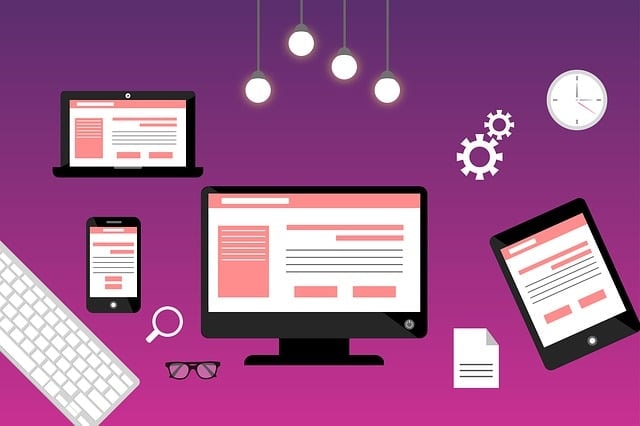
The intersection of digital marketing and web design is key as the latter plays a big role in the success of online marketing. A skilled web designer transforms a company’s brand identity into a cohesive design that enhances user experience (UX). First impressions matter and when a visitor lands on a website the design can make or break their decision to stay and explore or leave and look elsewhere. A professional and cohesive design that reflects a brand’s values and message builds credibility and trust. That’s why businesses are recognizing the need to combine web design with their digital marketing efforts to capture new customers, retain existing ones and drive more traffic to their website.
And in a digital marketing campaign, web design is not just about looks; it’s also about performance. Conversion Rate Optimization (CRO) tactics – call-to-actions, intuitive navigation and simple forms – are key to converting visitors into leads and eventually customers. By aligning digital marketing goals and web design principles businesses can get a multiplier effect that increases their online presence and overall marketing success.
Web Design Principles
At the heart of a well designed website are several principles that makes the site both visually appealing and functionally optimized for users:
- Reliability and Brand Perception: A strong brand image requires web design that communicates the brand’s reliability and quality. This means clean layout, consistent color scheme and logical structure.
- SEO and User Experience: SEO and UX are closely related to web design. Proper use of headers, meta tags and alt attributes affects search engine rankings while simple and clear navigation helps the user journey.
- Speed Optimization: A fast loading site is crucial to retain visitors as most expect a fast experience. Techniques to optimize load times are efficient coding, image compression and browser caching.
- Responsive Design: A responsive website caters to users across different devices and screen sizes. This principle is important in today’s mobile first digital landscape as search engines rank mobile friendly designs higher.
- Technical Enhancements: Use of modern design techniques such as CSS animations and HTML5 functionality to enrich the user experience and keep visitors engaged.
By applying these principles you get a more efficient, user centric and SEO friendly website and a competitive edge online.
Making a Strong Initial Impression with Web Design
A well-designed website is crucial for making a strong initial impression on visitors. It should be visually appealing, easy to navigate, and optimized for user experience. The design should reflect the brand’s identity and values, clearly communicating its message to the audience. A strong initial impression can lead to increased engagement, higher conversion rates, and a positive brand reputation. Elements like intuitive navigation, cohesive color schemes, and professional layouts contribute to a website that not only attracts visitors but also encourages them to stay and explore further.
Strengthening Audience Trust through Web Design
A well-designed website can significantly strengthen audience trust by conveying a sense of professionalism, credibility, and reliability. It should be user-friendly, fast, and secure, with clear and concise content that addresses the audience’s needs and concerns. Regularly updating the website with fresh and relevant content demonstrates a commitment to quality and customer satisfaction, further building trust. Features like secure payment gateways, customer testimonials, and transparent policies also play a vital role in establishing a trustworthy online presence.
Enhancing SEO through Web Design
Web design plays a crucial role in enhancing search engine optimization (SEO). A well-designed website should be optimized for search engines, incorporating relevant keywords, meta tags, and descriptions that help search engines understand the website’s content and structure. Mobile-friendliness, fast loading times, and security are now key ranking signals for search engines like Google. By ensuring that a website is responsive, quick to load, and secure, businesses can improve their search engine rankings and attract more organic traffic. Integrating SEO best practices into web design not only boosts visibility but also enhances the overall user experience, making it easier for potential customers to find and engage with the brand.
User Experience
User experience (UX) is at the heart of web design and key to long term digital marketing success. A website should not only look good but also facilitate a smooth interaction with the brand. This starts with the ease of finding information and extends to the pleasure of navigating through pages. Good UX brings many competitive advantages:
- Good First Impression: A website with simple design and usability ensures the user’s first touchpoint with the brand is positive and encourages them to dig deeper.
- Engagement and Retention: Interactive elements and fast load times means enjoyable visits that can increase time on site and probability of return visits.
- Trust and Credibility: A cohesive and professional looking website builds trust and can influence a user to engage with the brand further.
- Conversion Optimization: Well designed user journeys that avoid frustration points like complicated sign up forms or confusing navigation can lead to higher conversion rates.
Focusing on UX can massively improve the results of digital marketing as user interactions are often converted into business success through conversions and loyalty.
Digital Marketing and Web Design Together
Digital marketing and web design are a match made in heaven in today’s digital world. Together they create a multiplier effect that increases online presence and brand recognition which drives sales and growth. A well designed website provides the foundation for a great user experience and also impacts digital marketing strategies to get users to come back and engage more with the brand.
Web design is key to brand perception, a good looking site makes visitors view the brand as a trusted information source. Digital marketing services increase the visibility of a web designer’s work so they can target the right audience even in a competitive market. When these two are combined everything in a marketing strategy contributes to the overall brand image and customer acquisition goals.
By aligning digital marketing goals with a functional and beautiful web design businesses can establish their market presence and have cohesion across all platforms. This combination will maximise business growth and create a strong digital footprint that grabs and retains the attention of potential customers.
Brand Visibility
To be seen in the crowded digital space you need to have a strong brand presence. A website with lots of valuable content optimises visibility through search engines so it’s a key element of brand exposure. Web design with digital marketing on social media platforms can amplify a brand’s personality with content like videos and graphics and get visibility to potential customers.
A well designed website is at the heart of a brand’s marketing efforts and showcases products and visibility. By combining design elements with digital marketing components like SEO and content creation businesses can reach targeted audiences more precisely.
And by applying user experience principles to web design brands can grab and hold attention and get more visibility. A holistic approach combining the design of web design with strategic digital marketing can get a brand noticed in a crowded digital space.
Audience Engagement
The foundation of a well designed website is the user experience it provides. By making it easy to navigate and present relevant information a website can pull the audience in to the brand. This will entertain and educate the audience and increase engagement. For example strategic placement of call to action (CTA) buttons and user friendly forms are key to lead generation and increase audience interaction.
Using analytical tools like Google Analytics web designers and marketers can refine design elements to the site visitors demographics and behaviour. A professional looking website makes users engage with the brand and deepen the connection.
Content creation especially through blogs is a magnet that attracts traffic and engages users with valuable insights and gets them to come back to the site again and again. By creating a reliable and looking online space businesses can increase audience engagement and create a path for long term relationships with users.
Conversion Rates
At the heart of a good website design is the ability to increase conversion rates. Online visibility from good web design means increased user engagement and conversions. Website design effectiveness is measured by conversion rates so clear communication and strategically placed content is important to get visitors to take desired actions.
Beautiful web design not only grabs user attention but also builds trust. This combination of visual and credibility increases conversion rates by creating an impression on visitors. Conversion Rate Optimisation (CRO) is key to tweaking the website to get visitors to take desired actions like buy or subscribe to a service.
A website that balances simplicity with functionality is key to user experience and conversions. An easy to use site design encourages usability and successful interactions and therefore higher conversions.
Team Collaboration
Digital marketing elements and web design need to work together to get a brand online. Consistent collaboration between marketing and web design teams is not just good to have but necessary. When these teams work together a more cohesive and effective web design strategy emerges that can increase user experience and get repeat visits. Collaboration ensures every aspect of the website from copy to design elements is working towards the brand’s digital marketing campaign and goals.
And the collaboration during the website design process ensures marketing strategies are aligned with the website’s functionality and design. This harmony gets higher conversions as website visitors get a seamless blend of marketing messages and design. Customer acquisition success depends on this so teamwork between digital marketers and web designers is essential.
Hiring a good digital marketing agency can further strengthen this collaboration. These agencies offer specialized digital marketing services like social media marketing and search engine optimization (SEO) that can increase the visibility and reach of web design services. Professional digital marketers can provide tailored strategies to improve a brand’s online presence and get successful project outcomes through coordinated efforts.
Goals and Objectives
In the digital world web design and digital marketing are intertwined. Good web design can supercharge digital marketing and get more user engagement and higher conversions. To align their strategies businesses need to make sure their digital marketing is compliant with the latest algorithms from search engines like Google so they don’t get penalties and setbacks. This also means creating separate pages for similar e-commerce products to avoid content duplication.
Web design and development must also keep up with continuous learning to keep audiences engaged and loyal. This means web developers and digital marketers need to work together to make sure the strategies on the website support both business goals and user expectations. By combining web development skills with strategic digital marketing like content creation and social media marketing businesses can get more website traffic and overall business growth.
Communication Principles
Having a strong online presence means a website that looks good and works across all devices. A responsive design means all potential customers get a good user experience no matter how they access the site. This level of web development with a solid digital marketing strategy is key to getting more website traffic and achieve the business goals.
Digital marketing like content marketing, social media marketing and pay-per-click advertising can drive potential customers to well designed landing pages where the conversion is higher. Keeping the website content fresh and relevant is key to keeping visitors engaged and building customer loyalty. And understanding and using the right tools like content management systems and Google Analytics is essential to navigate the ever changing digital landscape and get the most out of digital marketing and web development for business growth.
In this scenario communication best practices means regular meetings, shared goals and ongoing education so all teams are informed, aligned and working towards the same direction. This way digital marketing professionals and design agency teams can brainstorm, problem solve and innovate effectively and get a more robust, user centric and results driven online presence.
User Experience and Conversion Rate Optimization (CRO)
In digital marketing and web design User Experience (UX) and Conversion Rate Optimization (CRO) is key. A well designed website is not just about looks; it’s an interplay between functionality, reliability and simplicity—all important factors in building trust and authority. Visitors equate the quality of a website’s design with the quality of the brand. But there’s a fine line to walk: too complex websites can scare off visitors with slow loading times and confusing navigation while too simple sites may not engage users enough and get lower conversions.
Design for the user is key to a business to succeed in the digital world. Websites that are fluid, intuitive and easy to navigate not only get longer visits but also get users to have positive interactions with the brand which greatly influences their decision to convert.
User Behavior
Understanding user behavior is the foundation of a good digital presence. A well designed website is not just about looks; it’s about creating an environment where users feel compelled to explore and engage with content. Websites that don’t offer a good user experience with poor design choices will get high bounce rates as frustration or confusion will make users exit early.
Using UX principles in web design with strategic digital marketing can get a brand more visibility and interaction with customers. Important insights into user behavior can be gathered through performance metrics and tools like Google Analytics will reveal patterns and preferences. Knowing how customers navigate a website feeds into the refinement of design and content so you can tailor your approach to the target audience.
CRO and Search Engine Optimization Techniques
The blueprint of a website should aim to maximize the conversion rate, be a trusted and authoritative portal for potential customers. Balancing the simplicity of design and functional complexity is key to CRO. Streamlined layouts, clear text and user friendly online forms can boost conversions big time and that translates to direct sales.
High quality original content is a key part of CRO tactics. Along with the visual elements content gives the website a voice and substance to the overall SEO strategy. And for those visitors coming in through pay-per-click ads providing an uninterrupted journey to corresponding landing pages is a crucial step in getting them to take the desired action, whether it’s a sign up, purchase or other measurable conversions.
By following these techniques businesses can get their websites to become conversion machines with perfect design and smart functionality.
User Behavior
Understanding user behavior is key to tailoring web design and digital marketing to engage and retain visitors. A well designed website built on UX principles will get users to stay longer and directly impact their engagement. A poor website design will get high bounce rates as users will exit early if a website doesn’t meet their expectations or is hard to navigate.
Analytics tools like Google Analytics will reveal user behavior and give you the data to refine your approach to website design and content creation. By analyzing performance metrics you can adjust your online presence to your customer base.
Every audience is different and may need a different approach. So digital marketers and design agencies need to know their potential customers inside out. This means every aspect of a digital marketing campaign – from SEO to social media – is designed to get a responsive and engaging user journey. When digital marketing is aligned with a functional and designed website businesses can achieve their business goals and higher conversions.
CRO techniques
Conversion Rate Optimization (CRO) is a key part of digital marketing to increase the percentage of visitors to a website that convert into customers. One of the key part of this is the website design where balancing simplicity and complexity is crucial. Over complicating a website will slow it down and potential customers will bounce, over simplifying might not engage them enough.
CRO techniques include refining website components like layout, text and online forms to streamline the user experience and the conversion process. Each element must be carefully considered to remove obstacles in the conversion path. Here’s how:
- Layout: Design is intuitive and guides the visitor to the conversion goal.
- Text: Clarity and persuasiveness in copy will get visitors to take action.
- Forms: Simplify forms for ease of use, ask for only essential info to increase form completion rates.
And content plays a big part. High quality unique content will engage visitors and boost search engine rankings as part of a full SEO strategy. Align this with digital marketing campaigns especially pay-per-click ads and you should get well designed landing pages. These pages must have uninterrupted journey, get visitors to take the desired action and increase conversions and sales.
Using Analytics for Continuous Improvement
Data is the foundation of informed decision making in digital marketing. By using tools like Google Analytics digital marketers can measure website performance with precision and get valuable insights that will inform design and content optimisation. Integrating analytics into the web design and digital marketing strategy will get noticeable improvement in customer engagement and conversions.
In a ever changing digital landscape where consumer behavior and search engine algorithms are always in flux, regular performance reviews are more than just good to have – they’re necessary. They will allow businesses to pivot and adapt so their online presence stays competitive and relevant to their target audience. This continuous adaptation informed by data will get organic business growth by increasing the visibility of the website in search results and attract potential customers.
Tools
Using analytics tools like Google Analytics is the first step to collect the data to refine digital marketing efforts. By setting up these tools businesses can track and measure many key performance indicators from page views and bounce rates to conversion rates and traffic sources. This will transition from guessing to data driven strategies and make digital marketing campaigns more effective.
Regularly monitoring website performance through these analytics tools is not only insightful but also actionable. Identifying underperforming content, design elements or user navigation paths will trigger necessary changes and will get a more functional website and robust online platforms. Using these analytics tools will ensure that the website design and marketing strategy is aligned to the audience needs and behavior and optimise engagement and position on SERPs.
Data for Strategy Adjustment
At the crossroads of web design and digital marketing lies the conversion – turning casual website visitors into paying customers. A well designed website should amplify the user experience, get users to visit and come back, that’s a successful integration of the strategies. Responsiveness, visually appealing design and clear calls-to-action are the design elements that with targeted marketing will get user engagement and visibility in the big digital landscape.
Data interpretation is key to align digital marketing strategies to audience expectations and increase website conversion rate. The relationship between these strategies is symbiotic; one can’t work without the other. As digital marketers look at the numbers they should adjust both the technical and creative aspects of web design to get a seamless user journey. The goal is to get potential customers through the conversion journey smoothly and achieve business goals through data driven changes.
In short digital marketing and web design is dynamic and data driven. Digital marketing agencies, marketing teams and individual digital marketers should tap into the data and interpret it well to refine their digital marketing campaigns so each website is a gateway for potential customers and a perfect marriage of design and marketing.
Case Studies
Digital marketing and web design is the key to business success online. Here are some case studies of the combination of these strategies that gets remarkable improvement in visibility, engagement and conversions.
For example a retail company re-designed their online shop with responsive design so it’s accessible across devices. Along with an aggressive SEO and content marketing campaign the initiative got a huge increase in organic traffic and sales conversions. A part of this strategy was the integration of social media marketing which opened up communication channels with customers and enriched the overall user experience.
A tech startup focused on improving the functionality and navigation of their website so users can have a smoother journey. A simultaneous run of targeted PPC advertising brought in high intent traffic and increased their conversion rate. All these combined got them a digital identity that’s inviting and efficient and proved that thoughtful web design and digital marketing campaigns work together.
So the moral of the story is integration of digital marketing and web design is not just good it’s necessary for any business in the digital age.
Examples from Different Industries
- Healthcare: A medical clinic hired a design agency to create an online appointment system for users, reduced patient waiting time and improved service satisfaction. Along with a digital marketing strategy that targeted local SEO and content marketing the clinic got a huge increase in new patient registrations.
- Real Estate: By optimizing their website for search engines and investing in virtual tour technology a real estate agency got more potential clients. Their digital marketing efforts included social media campaigns showcasing properties and got more engagement and leads.
- Hospitality: A boutique hotel rebranded their website to look luxurious and comfortable. Along with an email marketing campaign that offered personalized promotions to loyal customers that drove direct bookings. SEO ensured they ranked well for regional tourism keywords.
Takeaways from Brands
Brands have proven time and again that a well designed web presence is a must. Not only it’s the first point of contact for many customers but also sets the stage for a brand’s digital story.
For example a global e-commerce giant is constantly analyzing user data to simplify their website interface so it’s easy to use and fast to access to a huge product range. This continuous refinement along with digital marketing strategies like PPC campaigns and retargeting ads keeps them on top of the online game.
A leading smartphone manufacturer aligns their design philosophy with their website layout so it’s a seamless experience that mirrors their product’s elegance. Digital marketing efforts are synced with product launches and is tailored to create anticipation, using social media and influencer partnerships.
The common thread among these brands is their dedication to responsive web design and a 360 digital marketing approach. This integration makes their online platform agile in the ever changing digital landscape.


