

To stay competitive, retail businesses need effective digital marketing strategies. This article covers key tactics in retail digital marketing, such as social media, email campaigns, SEO, and paid ads, to help you attract and retain customers.
Key Takeaways
- Retail digital marketing is essential for competitive success, emphasizing customer-centric strategies across multiple channels.
- Key strategies such as social media marketing, email marketing, content marketing, and SEO are crucial for expanding reach and engaging customers effectively.
- Leveraging data analytics and emerging technologies like AI, voice search optimization, and augmented reality can significantly enhance customer experiences and drive sales.
Understanding Retail Digital Marketing
Digital marketing is no longer an option; it’s a necessity for retail businesses aiming to stay competitive and relevant. Leveraging digital channels allows retailers to significantly impact customer acquisition, conversion, and retention rates. Without a robust digital presence, businesses risk missing out on vital opportunities in today’s market. The retail industry has seen a paradigm shift towards a customer-centric approach, prioritizing personal interactions across multiple channels.
A well-planned digital marketing strategy can influence the overall performance of retail businesses, offering huge opportunities for growth. This is particularly beneficial for small and medium-sized retailers, who can now compete effectively even with limited resources. With a significant percentage of shopping journeys beginning online, digital marketing helps retailers tap into this shift in consumer behavior.
As the retail market becomes more competitive due to digital expansion, retailers must adopt modern digital marketing strategies to reach and engage customers effectively. Understanding and implementing these strategies enables retailers to not only survive but thrive in the evolving digital landscape.
Key Digital Marketing Strategies for Retail Businesses
Succeeding in the competitive retail industry requires a comprehensive digital marketing strategy that connects with customers through multiple channels during their purchasing journey. Social media marketing, email marketing, content marketing, and SEO are essential components of this strategy. Each of these tactics plays a crucial role in expanding a retailer’s reach and engaging customers effectively.
Emerging technologies are continuously reshaping retail digital marketing strategies, pushing businesses to adapt quickly to stay competitive. By integrating these strategies, retailers can create a robust digital presence that not only drives online sales but also enhances customer loyalty and retention.
Social Media Marketing
Social media marketing serves as an effective tool for creating brand awareness. It also plays a significant role in engaging customers. Platforms like TikTok, Instagram, and Facebook are essential for developing a robust digital marketing strategy. Retail marketers use these platforms to create content, manage accounts, and develop strategies that connect with their audience on a personal level. This approach not only helps in building relationships but also drives sales.
Tailored ads on social media are an effective way to reach specific demographics based on location, preferences, job title, and age. This precise targeting enhances customer engagement and increases the likelihood of conversions. By maintaining a presence across multiple channels, retailers can connect with a broader audience and drive online retail sales.
Professional social media management services can further amplify these efforts by offering expertise in content creation, account management, and strategic development. This allows retail businesses to focus on their core operations while ensuring their social media marketing strategy is effectively executed.
Email Marketing
Email marketing remains a highly effective way to engage customers and promote offers. Sending tailored offers based on previous customer interactions makes customers feel valued and understood, enhancing retention. This personalized approach not only boosts engagement but also encourages repeat purchases.
Utilizing A/B testing allows retailers to compare different versions of email campaigns to determine which performs better. This optimization process is crucial for refining marketing strategies and ensuring maximum impact.
Effective email marketing can drive significant online sales by keeping customers informed and engaged with the brand.
Content Marketing
Content marketing is all about creating compelling content that grabs customer attention and converts them into buyers. This can include blog posts, social media updates, and other forms of content that address customer questions and needs throughout their purchasing journey. Proactively providing valuable information helps retailers build trust and authority in their niche.
Data analytics plays a crucial role in content marketing by helping retailers identify trends and consumer preferences. This allows for more informed decisions and the creation of content that resonates with the target audience. Ultimately, a well-executed content marketing strategy can significantly boost customer engagement and drive sales.
SEO Optimization
SEO optimization is essential for improving the visibility and search engine ranking of retail businesses. Customers often start their shopping journey by Googling products, and appearing in the top search results can significantly increase the chances of conversions. Optimizing content for search engines ensures that products and services are easily found by potential customers.
With the rise of voice search, it is becoming increasingly important to focus on featured snippets, also known as Position Zero, which are read aloud by voice assistants. This optimization can provide a competitive edge as more consumers use voice search to find products and services.
Leveraging Paid Advertising for Retail Success
Paid advertising is a crucial component of a retail marketing strategy, allowing businesses to reach specific audiences and boost sales. Utilizing precise targeting and effective budget management significantly increases site traffic and drives conversions. This approach ensures that marketing efforts are directed towards the most relevant and high-potential customers.
PPC advertising, Google Ads, and social media ads are some of the most effective forms of paid search advertising. Each of these tactics offers unique benefits and can be tailored to meet the specific needs of a retail business.
Pay-Per-Click (PPC) Advertising
PPC advertising is a cost-effective marketing strategy that allows businesses to only pay when a user interacts with their ad. This ensures that the advertising budget is spent on actual traffic driven to the site. Retailers can set specific budgets and adjust them as needed to align with business goals.
The effectiveness of PPC comes from targeting users who are actively searching for products, increasing the likelihood of conversions. Real-time tracking of clicks and conversions provides immediate feedback, allowing retailers to optimize their campaigns continuously.
Unique ad content is also crucial in standing out in a saturated market and combating viewer fatigue.
Google Ads
Google Ads provides retailers with a powerful platform to reach consumers who are actively searching for their products. This enhances the chances of purchase as the ads are displayed to users with specific search intent. Brands can utilize various types of campaigns within Google Ads, such as Demand Gen campaigns, designed to drive higher engagement and conversions.
Google Ads allows retailers to effectively target potential customers and drive significant online sales. This platform’s versatility and reach make it an indispensable tool in any digital marketing strategy.
Social Media Ads
Social media ads are crucial for reaching and engaging specific demographics, enhancing brand engagement, and driving sales. These platforms allow retailers to tailor their ads based on various factors such as location, interests, and behaviors, ensuring that the right messages reach the right audiences. This precise targeting increases the effectiveness of advertising campaigns and boosts overall sales.
Investing in social media advertising helps retailers build brand awareness and engage customers personally. This form of targeted advertising is essential for driving online sales and fostering customer loyalty.
Enhancing Customer Experience with Digital Channels
Understanding customer behavior and providing personalized experiences are key to enhancing the customer journey and driving engagement. Retail brands that successfully implement digital marketing strategies often see increased customer interactions and brand loyalty. Achieving this requires offering personalized recommendations and seamless interactions across all digital channels.
Personalization not only enhances trust but also demonstrates an understanding of unique customer needs. AI applications like chatbots and virtual assistants play a significant role in providing 24/7 customer support, further enhancing the shopping experience. Retail marketing strategies focused on loyalty and engagement can significantly improve customer satisfaction and retention.
Retailers must ensure that every interaction with their brand is pleasant and seamless to foster long-term loyalty. This involves integrating various digital channels and leveraging technology to provide a consistent and engaging customer experience.
Mobile Marketing
Mobile marketing is crucial for retail businesses due to the high dependency of consumers on mobile devices for shopping. Last year, 57% of shoppers made at least 25% of their purchases on mobile devices, highlighting the shift towards mobile commerce. Retailers can optimize their mobile strategies by integrating touchpoints, running multi-channel campaigns, utilizing push notifications, and leveraging automation.
Focusing on mobile marketing helps retailers reach customers where they spend most of their time, driving engagement and sales. This approach ensures that the shopping experience is seamless and convenient, encouraging repeat purchases and customer loyalty.
Omnichannel Marketing
Omnichannel marketing is essential for enhancing customer experiences, as over 73% of shoppers now utilize multiple channels during their purchasing journey. Retailers must prioritize multichannel marketing to provide a consistent and personalized experience across all touchpoints. This involves combining demographic, transactional, and behavioral data to tailor strategies and enhance engagement.
Leveraging data-driven insights enables retailers to create personalized marketing strategies that resonate with customers and drive sales. This approach ensures that customers receive a seamless and engaging experience, regardless of the channel they choose to interact with.
Video Marketing
Video marketing is a powerful tool for building connections with customers and promoting products effectively. For example, Zappos ran the #ImNotABox campaign, encouraging customers to view their packaging as a medium for creativity and inspiration. The campaign included a video highlighting how everyday cardboard boxes can be transformed into creative projects, engaging customers through DIY tutorials and contests.
Incorporating video content into marketing strategies enables retailers to create engaging and memorable experiences for their customers. This approach not only builds brand awareness but also drives customer engagement and sales.
Utilizing Data and Analytics in Retail Digital Marketing
Data and analytics are essential for shaping effective digital marketing strategies in retail businesses. AI tools can analyze historical data to predict sales demand, allowing retailers to tailor their marketing campaigns effectively. Leveraging data allows retailers to make informed decisions that lead to more effective marketing outcomes and customer engagement.
Real-time data collected from cross-channel customer touchpoints serves as a foundational element for effective digital marketing strategies. This data-driven approach allows retailers to understand customer behavior and preferences, enabling them to create personalized and impactful marketing campaigns.
Customer Data Platforms (CDPs)
Customer Data Platforms (CDPs) are tools that help unify and analyze customer data effectively. Creating unified customer profiles helps retailers understand changing customer behavior and tailor their marketing strategies accordingly. This approach ensures that marketing efforts are personalized and relevant, enhancing customer engagement and loyalty.
Customer data and automation contribute to omnichannel marketing by helping create a consistent experience across all touchpoints. This integration allows retailers to provide a seamless and engaging customer journey, driving sales and repeat purchases.
Personalization
Personalization is essential for building emotional connections with customers, which leads to increased loyalty and repeat purchases. Marketers should tailor creative messaging based on consumer interactions to ensure effective communication. Real-time data from diverse customer interactions is crucial for creating tailored marketing messages that resonate with the target audience.
Zero-party and first-party data are gaining importance in digital marketing. This shift is largely driven by growing concerns about data privacy. By focusing on data quality, retailers can ensure that their personalization efforts are accurate and impactful.
Performance Metrics
Establishing specific performance metrics is vital for evaluating the effectiveness of digital marketing initiatives. Key performance indicators (KPIs) such as customer acquisition cost, conversion rate, and return on ad spend provide insights into the success of marketing strategies. These metrics are essential for understanding customer engagement and improving overall marketing performance.
Performance metrics like conversion rates and customer retention rates are vital indicators of digital marketing success. Tracking these metrics allows retailers to continuously optimize their marketing strategies for better results and revenue growth.
Case Study: Successful Retail Digital Marketing Campaigns
Successful digital marketing campaigns are essential for retailers to connect with consumers and drive sales effectively. Examining case studies of notable retail brands provides valuable insights into strategies that lead to significant growth and engagement. These campaigns demonstrate the evolving nature of retail strategies and their impact on consumer engagement.
Zappos and other retail brands have implemented innovative digital marketing strategies that showcase various approaches to engage customers effectively. These examples provide a roadmap for other retailers to follow and adapt to their own unique needs.
Zappos
Zappos is a retail brand noted for its exceptional success in digital marketing. A significant factor in Zappos’ retail success has been its comprehensive digital marketing efforts, including social media campaigns and video marketing. Investing heavily in these strategies has allowed Zappos to achieve significant growth and build a strong brand presence.
The impact of Zappos’ digital marketing strategies on online sales is undeniable. Their innovative approach to engaging customers through creative campaigns has set a benchmark for other retailers to follow.
Other Notable Campaigns
Gump’s San Francisco achieved a 92% year-over-year sales increase by implementing cross-selling and optimizing their Google Search and Shopping strategies. This case study highlights the importance of leveraging multiple channels to drive sales and engagement.
LockNLube experienced a revenue growth of 54% year-over-year by optimizing their product listings on Amazon and enhancing their TikTok ad strategies. This example underscores the power of platform-specific tactics in driving significant business growth.
Hestan Culinary improved its return on ad spend (ROAS) from 1.91 to 9.20 within a month through a programmatic advertising strategy targeting a qualified audience. Similarly, Learning A-Z saw a 125% increase in conversions after simplifying their landing page and targeting K-5 school administrators through LinkedIn. These cases illustrate how targeted and strategic digital marketing efforts can lead to remarkable results.
Future Trends in Retail Digital Marketing
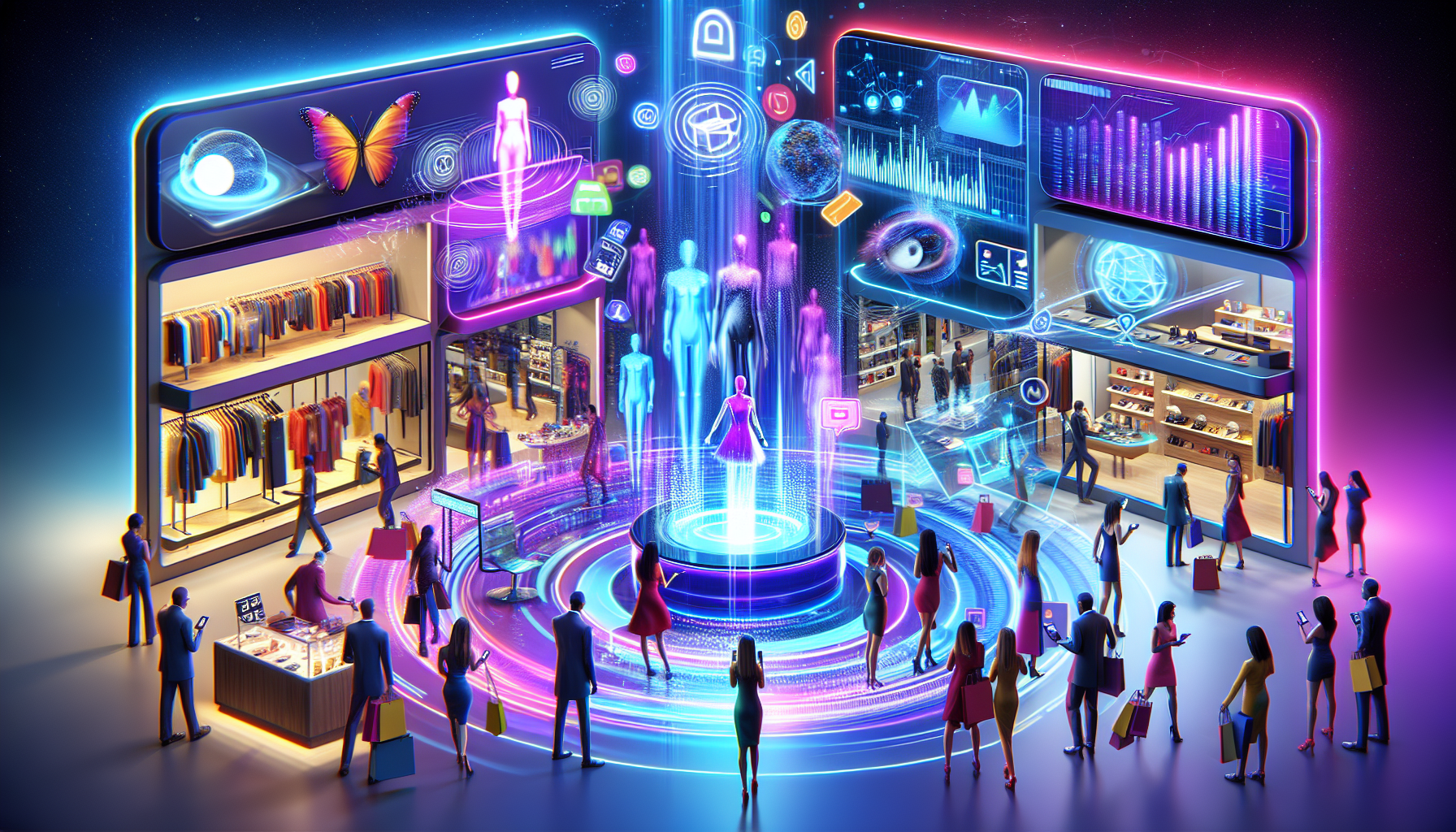
Emerging trends in retail digital marketing indicate a significant shift towards advanced technologies and personalized experiences to meet customer demands. Retailers who adopt these technologies can enhance their advertising effectiveness and stay competitive in the market. Highly advanced brands in personalization and omnichannel engagement have seen impressive revenue increases, demonstrating the potential of these digital marketing trends.
To ensure future success, retailers must continuously adapt to these emerging trends and leverage advanced technologies to meet evolving consumer expectations. Staying ahead of the curve helps retailers build stronger customer relationships and drive long-term growth.
Voice Search Optimization
Voice search is expected to account for 50% of all searches, prompting businesses to adjust their digital marketing strategies accordingly. Voice search optimization is a strategy related to SEO focused on optimizing for voice search. Although it hasn’t gained much traction yet, it is essential to prepare for its growing influence.
Popular voice assistants like Siri and Cortana are becoming integral to consumers’ daily lives, and optimizing for voice search can provide a competitive edge. Retailers should focus on featured snippets and conversational keywords to enhance their visibility in voice search results.
AI and Automation
AI-powered software can automate various marketing efforts, such as personalized email campaigns and targeted advertising. Effectively competing may require businesses to utilize AI-powered software for their digital marketing efforts. AI is transforming retail marketing strategies by enabling more efficient data analysis and customer interactions.
Automation complements AI by streamlining processes, allowing retailers to focus on strategic initiatives rather than manual tasks. This combination of AI and automation can significantly enhance marketing efficiency and effectiveness.
Augmented Reality (AR)
Augmented reality is increasingly used in retail to enhance shopping experiences through features like virtual try-ons and interactive displays. AR technology provides immersive and interactive features that engage customers and make the shopping experience more enjoyable.
Features such as virtual try-ons allow customers to visualize products in real time before making a purchase, fostering greater customer engagement and satisfaction. The use of AR in retail can drive sales by providing a unique and engaging shopping experience.
Summary
In summary, digital marketing is an indispensable tool for retail businesses aiming to thrive in today’s competitive market. By leveraging strategies such as social media marketing, email marketing, content marketing, and SEO optimization, retailers can expand their reach, engage customers, and drive sales. Paid advertising, personalized customer experiences, and the use of advanced technologies like AI and AR further enhance the effectiveness of digital marketing efforts.
As the retail industry continues to evolve, staying ahead of digital marketing trends is crucial for long-term success. Retailers who implement these strategies and adapt to emerging trends will be well-positioned to build strong customer relationships and achieve significant growth. Embrace the power of digital marketing and transform your retail business today.


